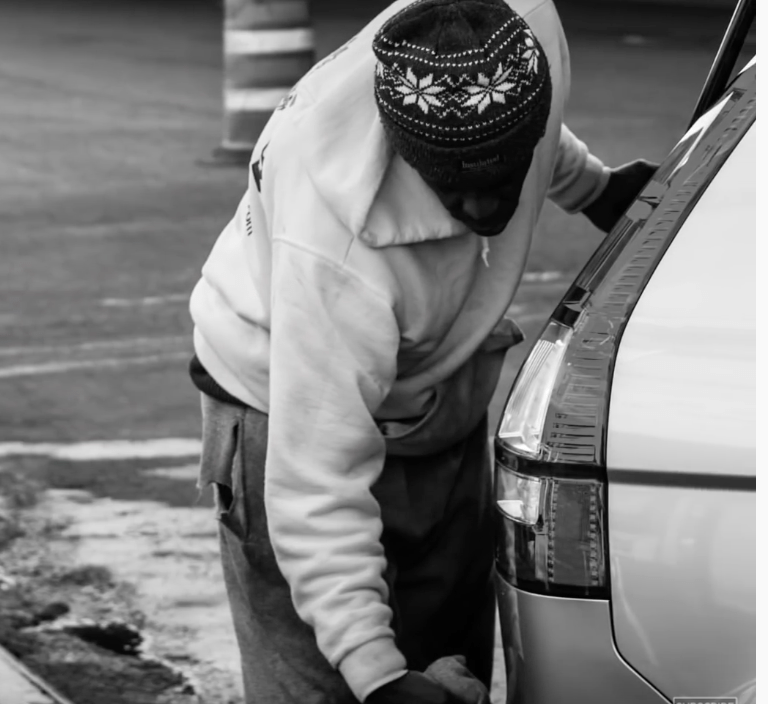
The caswasheros are Mexican, Salvadoran, and Guatemalan workers who face some of the most exploitative conditions in the city. Non-unionized cashwasheros were expected to work at least 50 hours a week for as little as $5.50 an hour. They are “regularly exposed to dangerous chemicals and are expected to work in extreme temperatures” (Gonzalez, 24). There was also the expectation that they would face regular abuse on the job, including theft of tips, late paychecks, and sometimes checks without funds, which directly affects their livelihoods (Gonzales, p. 24). Above all carwasheros face emotional and psychological abuse from employers.
Labor activity have long claimed that working conditions at New York City’s car washes are the worst of the worst. In New York, about five thousand individuals scrub and vacuum other people’s vehicles for a living. About a decade ago it was common for “carwasheros,” many of who were and continue to be illegal immigrants from Mexico and Latin America to earn merely three dollars an hour plus tips, with no extra pay for over time (Epstein, p. 27). When there was a demand for car washing, workers would find themselves working twelve hour days, six days a week. There was no attention paid to this activity from regulators and car wash operators ignored labor laws. This situation began to change in 2008, when investigators from the state, conducted car wash sweeps. The following year, the U.S. Department of Labor settled a lawsuit agains one of the city’s largest operators where 4.7 million dollars were granted in back wages and damages (Epstein, p. 28). Commencing in 2012, a collective called WASH New York was formed with groups such as Make the Road New York with New York Communities for Change and with support from the Retail, Wholesale and Department Store Union. The new partnership uses the protections afforded under the WTPA, or the Wage Theft Protection Act, to organize workers in New York City’s notoriously exploitative car wash industry to stand up for their rights and win dignity and fair treatment in their workplaces. WASH New York was able to organize more than 200 car washes. In 2015 they found success with the passage of the NYC Car Wash Accountability Act which is starting to transform one of the most highly exploitative industries in NYC, signed by Mayor Bill de Blasio. This piece of legislation had a profound impact on the industry as the state minimum wage was increased from nine dollars to fifteen dollars. In 2012 alone they won four contract negotiations alone. WASH’s movement allowed for the reclamation of caswasheros’ dignity and respect in a segment of the labor economy that was know for treating workers like cattle.
One of the partial weaknesses of the WASH movement was that car washes were “mostly small, independent businesses,” so organizing the industry involved fighting a succession of expensive battles (Epstein, p. 31). Carwasheros were also reluctant to joining a union, which has resulted in only 10 of 200 car washes having signed to join the Retail, Wholesale, and Department Stores Union (Epstein, p. 31).
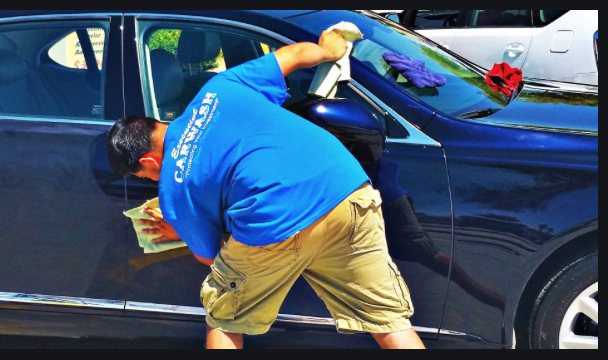
Link to videos: https://www.youtube.com/watch?v=clmUAfJB2pI&t=21s
Works Cited
Epstein, Jim. “Minimum Wage vs. the Carwasheros.” Reason, vol. 48, no. 3, July 2016, pp. 26–33.
Gonzales, Alfonso. “Building Power from the Ground Up: Mexican Civil Society in New York.” NACLA Report on the Americas, vol. 46, no. 4, Winter 2013, pp. 21–26.
 Immigration and Work